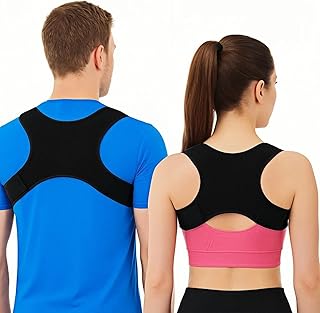
In today's digital age, where hours are spent hunched over screens, poor posture has become a widespread issue leading to chronic pain and long-term health problems. Fortunately, modern Posture Corrector devices offer a practical, non-invasive solution to retrain your muscles and support your spine. These innovative braces are designed to gently pull your shoulders back, align your spine, and provide the necessary support to break the cycle of slouching.
Why Consider a Posture Corrector?
Chronic poor posture doesn't just affect your appearance; it can lead to a host of physical ailments. Persistent slouching places undue stress on your neck, shoulders, and upper back, often resulting in tension headaches, reduced lung capacity, and even digestive issues. A quality Back Brace or posture aid works by providing proprioceptive feedback—essentially reminding your body what proper alignment feels like. Over time, this can help strengthen the correct muscle groups, making good posture feel more natural and effortless.
Key Features to Look For
When shopping for a posture corrector, several features are crucial for comfort, effectiveness, and daily usability.
Adjustability and Fit
One size does not fit all when it comes to spinal support. Look for products with multiple adjustment points, like the HLOES Posture Corrector or the KNXWALT Posture Corrector, which feature adjustable straps. This allows you to customize the level of support and tightness, ensuring it's effective without being restrictive. A proper fit is essential for the device to work correctly and be comfortable enough for extended wear.
Breathability and Discretion
If you plan to wear your corrector under clothing or for several hours a day, breathability is paramount. Many modern designs, such as those with a Breathable Mesh Design, prevent overheating and skin irritation. For those concerned with visibility, models like the Fit Geno Posture Corrector Invisilite are specifically engineered to be Invisible Under Clothes, making them ideal for wearing to work or during social activities.
Targeted Support and Pain Relief
Different correctors target different areas. Some focus on the upper back and shoulders for Hunchback Correction, while others, often called Full Back Support braces, extend to the lumbar region. If your primary concern is Neck Pain Relief and shoulder tension, an upper back brace like the Vaunn Back Correction Belt may be ideal. For more comprehensive support addressing Scoliosis or thoracic issues, a product like the Upgraded Breathable Full Back Support brace could be a better fit.
Top-Rated Posture Corrector Options
The market offers a variety of effective posture correctors to suit different needs and preferences. Here are a few standout options based on user reviews and key features.
The Fit Geno Posture Corrector for Women is praised for being Adjustable and Lightweight, specifically designed for a female frame to provide effective Shoulder Pain Relief. For those seeking a unisex option with robust support, the Kepwaa Posture Corrector is notable for being FSA & HSA Eligible, which can make it a more affordable healthcare purchase. Another excellent choice for all-day Comfort is the UltraSupport+ Posture Corrector, which focuses on relieving pain from slumping shoulders and hunching.
For targeted upper back and clavicle support, the Adjustable Upper Posture Support brace is a strong contender. Meanwhile, the WNIEYO Back Brace Posture Corrector offers a specific size and color option, functioning as an effective Shoulder Straightener.
How to Use a Posture Corrector Effectively
Simply wearing a brace is not a magic cure. For the best results, it should be part of a holistic approach to Posture Improvement. Start by wearing your corrector for short periods, perhaps 30-60 minutes a day, and gradually increase the duration as your muscles adapt. It's crucial to pair its use with conscious effort—actively think about your posture when you're not wearing it. Incorporating strengthening exercises for your back, core, and shoulder muscles will make the corrections permanent. For a detailed plan, check out resources like the Posture Corrector Guide: How to Fix Hunchback & Improve Posture Naturally.
Making the Right Choice for You
Choosing the right posture corrector depends on your specific pain points, body type, and lifestyle. Consider whether you need discreet wear for the office, full back support for a condition like scoliosis, or primarily upper back alignment. Reading in-depth Reviews, such as the Ultimate Guide to Posture Correctors, can provide valuable comparisons. Remember, the goal is Pain Relief and long-term habit change, not dependency on the device.
Investing in a quality posture corrector can be a transformative step towards better Health & Wellness. By providing gentle, consistent support, these devices empower you to stand taller, breathe easier, and live with less pain, ultimately improving your overall quality of life.